Understanding OPD and IPD in Indian Hospitals
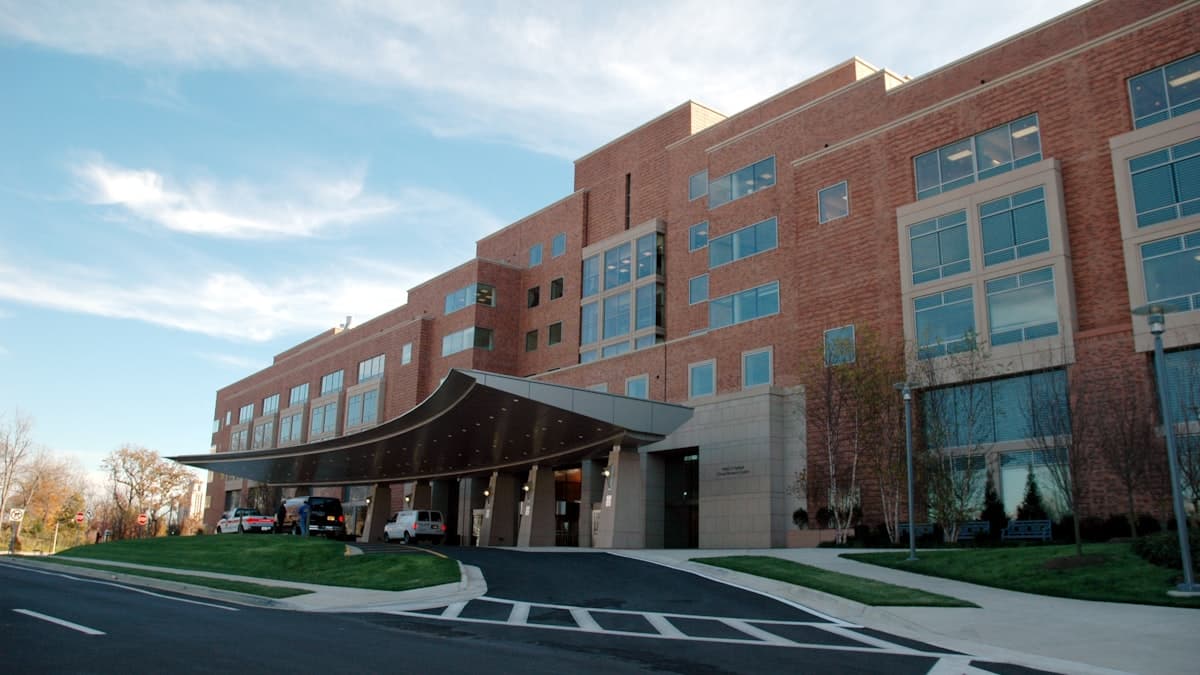
Every Indian hospital, from a 20-bed nursing home in Mysuru to a 500-bed multi-specialty hospital in Delhi, operates through two fundamental patient care channels: the Outpatient Department (OPD) and the Inpatient Department (IPD).
OPD handles patients who visit the hospital for consultation, minor procedures, and follow-up care without requiring overnight admission. A busy hospital OPD in India sees 200-500 patients daily across multiple specialties.
IPD manages patients who are admitted for treatment requiring overnight or multi-day stays, including surgeries, intensive care, and complex medical management. IPD is typically the primary revenue driver for hospitals, accounting for 60-70% of total revenue.
Managing both departments efficiently is critical for hospital success, and specialized OPD/IPD management software, as part of a comprehensive Hospital Management System, makes this achievable even for resource-constrained hospitals.
OPD Management: From Registration to Follow-Up
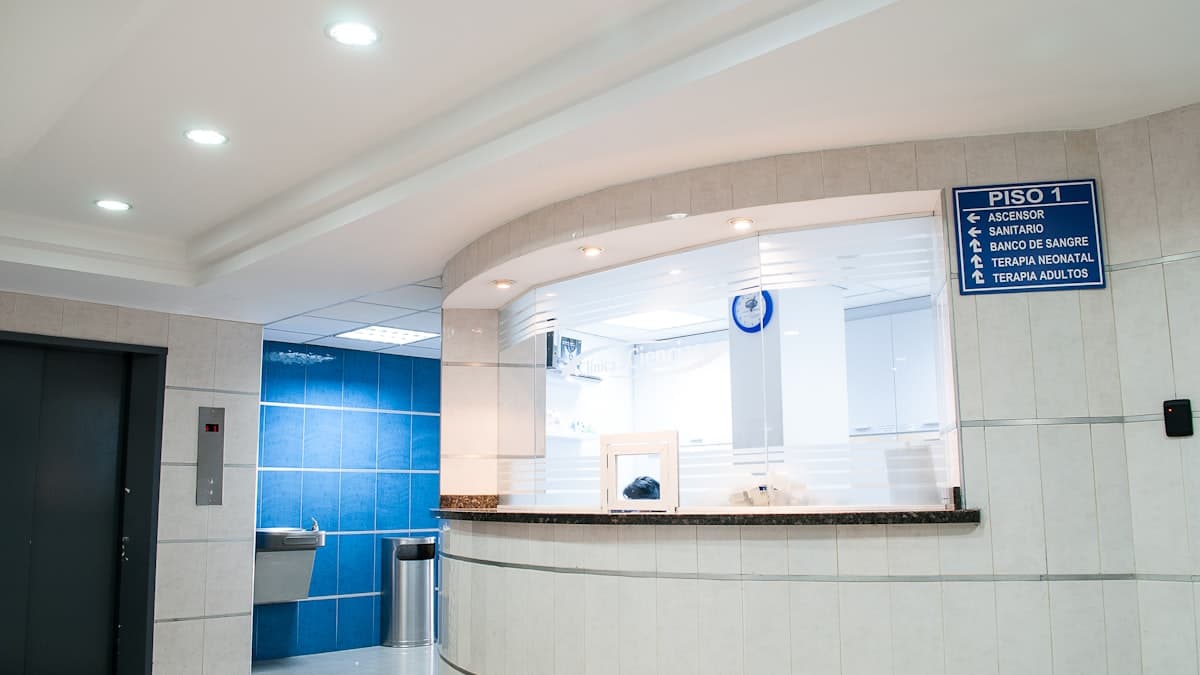
Patient Registration
The OPD journey begins at registration:
- New patient registration in under 60 seconds with minimal mandatory fields
- Returning patient lookup by name, phone number, UHID, or ABHA ID
- Insurance verification with eligibility check before consultation
- Referral tracking documenting which doctor or source referred the patient
- Document scanning for ID proof, insurance cards, and referral letters
Token and Queue Management
Queue management directly impacts patient satisfaction:
- Digital token generation with estimated wait time
- Department-wise queues for multi-specialty OPDs
- Priority tokens for emergencies, elderly, and differently-abled patients
- Display screens in waiting areas showing current token and estimated times
- SMS/WhatsApp alerts notifying patients 15 minutes before their turn
- Virtual queue: Patients can "check in" remotely and arrive just before their turn
A 200-bed hospital in Jaipur reduced average OPD wait times from 72 minutes to 22 minutes after implementing digital queue management with GoMeds AI.
Consultation Module
What the doctor sees during patient interaction:
- Patient summary with demographics, vitals, and visit history on one screen
- Previous consultation notes instantly accessible
- Specialty-specific templates (cardiology, orthopaedics, paediatrics, gynaecology)
- Vitals recording with automatic graphing (BP trends, weight changes)
- Investigation ordering sent directly to lab and radiology
- Prescription writing with drug database and interaction checking
- Procedure documentation for minor OPD procedures
- Follow-up scheduling before the patient leaves the consultation room
- Referral generation to other specialties within the hospital
OPD Billing
Capturing all OPD charges accurately:
- Consultation fees auto-posted based on doctor and visit type
- Procedure charges from the consultation module
- Pharmacy charges from prescription dispensing
- Investigation charges from ordered tests
- Package billing for health check-up packages
- Insurance/TPA billing with cashless processing
- Discount and concession management with approval workflows
IPD Management: Admission to Discharge
Admission Process
Smooth admission reduces patient anxiety and improves the first impression:
- Planned admission scheduled from OPD or pre-admission desk
- Emergency admission with minimal formalities, clinical care first
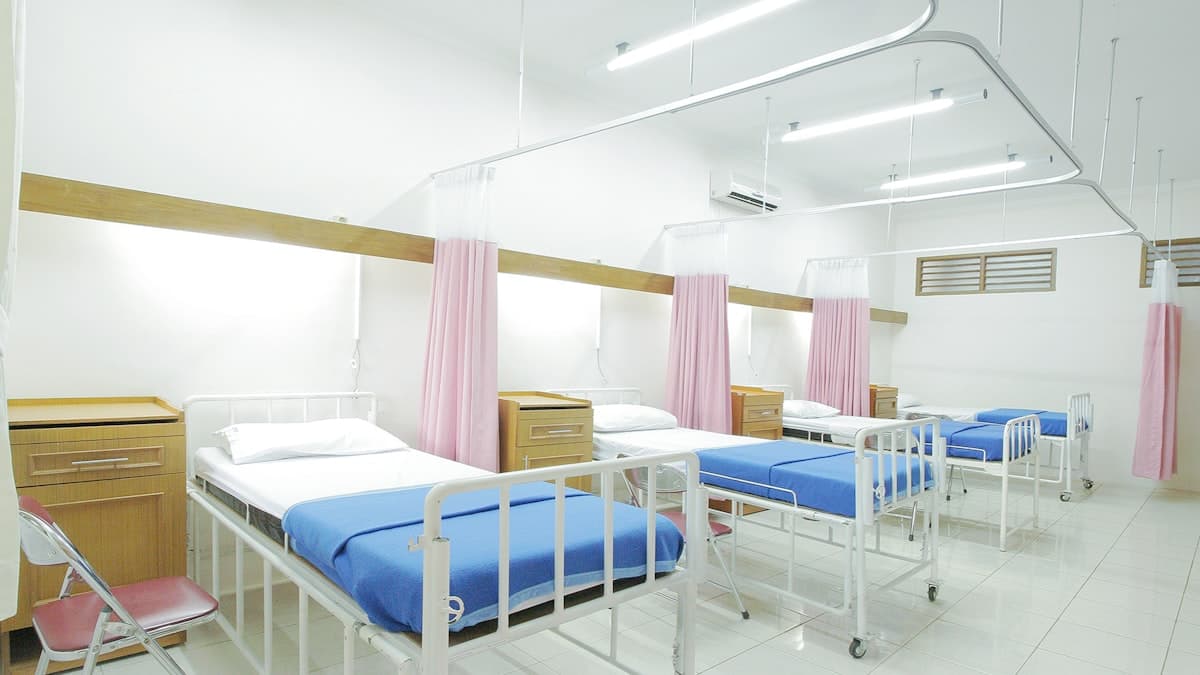
- Bed selection with real-time availability map showing ward, semi-private, private, and suite options
- Deposit collection with multiple payment mode support
- Admission documentation including consent forms and patient information sheets
- Insurance pre-authorization initiated immediately for insured patients
- Welcome notification to assigned nursing station and duty doctor
Bed Management
Bed management is one of the most challenging aspects of hospital operations:
- Real-time bed board showing occupancy across all wards and units
- Bed categories: General, semi-private, private, deluxe, ICU, NICU, PICU, HDU
- Transfer management: Inter-ward and inter-bed transfers with history tracking
- Discharge planning: Predicted discharge dates for occupancy planning
- Bed turnaround: Tracking time between discharge and next admission (housekeeping coordination)
- Occupancy analytics: Historical trends by day, season, and department
Clinical Workflow During Stay
Managing the patient's care throughout their hospital stay:
Doctor Rounds
- Round-based documentation: Daily progress notes with examination findings
- Order management: Medication orders, investigation orders, procedure orders
- Multi-specialty coordination: Referral to other specialists with shared notes
- Discharge planning notes: Expected discharge date and criteria
Nursing Station
- Medication administration record (MAR): Digital tracking of every medication given
- Vitals monitoring: Regular recording with alerts for abnormal readings
- Nursing care plans: Standardized care protocols with task checklists
- Intake/output charts: Fluid monitoring for critical patients
- Fall risk assessment: Regular scoring with preventive measures
- Handover notes: Structured shift handover documentation
Treatment and Procedures
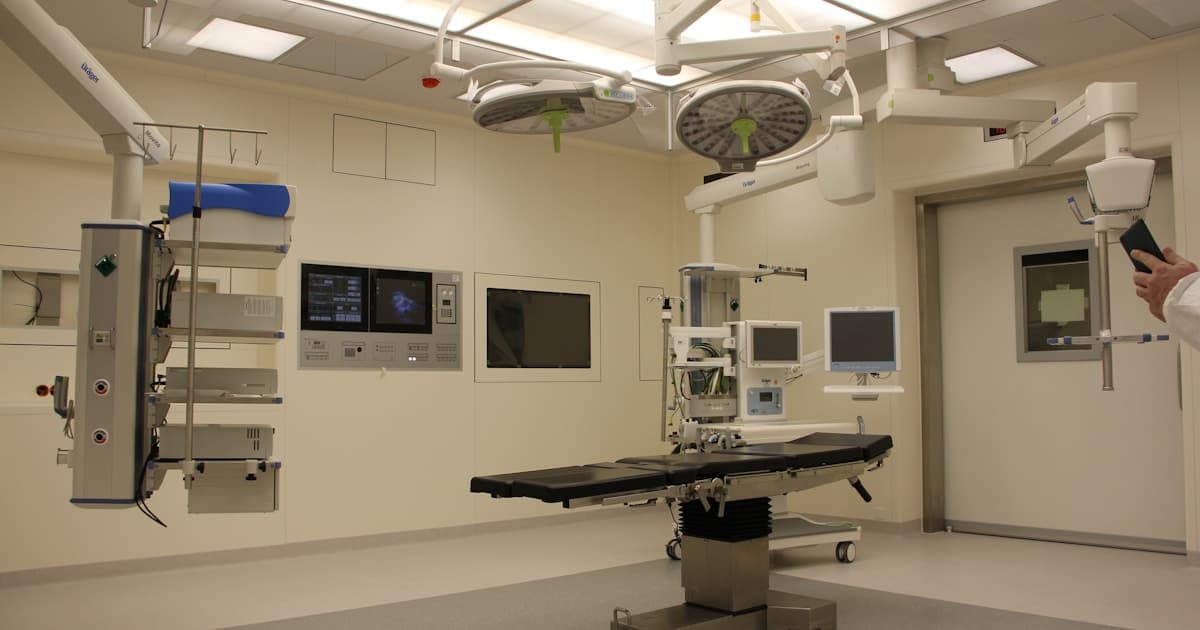
- Procedure scheduling: OT scheduling with pre-op and post-op workflows
- Anaesthesia records: Pre-anaesthetic assessment and intra-operative monitoring
- Surgical notes: Operative notes with template support
- Post-procedure monitoring: Recovery room and step-down care documentation
Discharge Process
A well-managed discharge improves patient satisfaction and bed availability:
- Discharge initiation by the treating doctor with discharge orders
- Pending items check: System flags pending lab reports, unbilled services, or incomplete documentation
- Discharge summary generation: Auto-populated from admission data, treatment notes, and investigation results
- Final bill preparation: All charges compiled from every department
- Insurance settlement: TPA authorization for final amount
- Payment collection: Balance payment after insurance adjustment
- Medication at discharge: Final prescriptions with pharmacy dispensing
- Patient education: Discharge instructions with medication schedule
- Follow-up scheduling: Next appointment booked before patient leaves
- Feedback collection: Patient satisfaction survey
Discharge Summary Automation
The discharge summary is one of the most time-consuming documents. AI-powered automation creates comprehensive summaries by pulling data from:
- Admission diagnosis and history
- Daily progress notes
- Investigation results with trends
- Procedures performed with operative notes
- Medications administered during stay
- Current medications at discharge
- Follow-up plan and instructions
Doctors review and customize the auto-generated summary rather than writing from scratch, saving 15-30 minutes per discharge.
Key Metrics for OPD/IPD Performance
OPD Metrics
| Metric | Industry Benchmark | Top Performers |
|---|---|---|
| Average wait time | 30-45 minutes | Under 20 minutes |
| Patients per doctor/day | 30-50 | 40-60 with software |
| No-show rate | 20-30% | Under 15% with reminders |
| Average billing time | 5-8 minutes | Under 3 minutes |
| Patient satisfaction | 3.5/5 | 4.2+/5 |
IPD Metrics
| Metric | Industry Benchmark | Top Performers |
|---|---|---|
| Bed occupancy rate | 60-70% | 75-85% |
| Average length of stay | Varies by condition | 10-15% below benchmark |
| Discharge time | 4-6 hours | Under 2 hours |
| Bed turnaround time | 4-8 hours | Under 2 hours |
| Revenue per bed/month | INR 2-4 lakh | INR 3-6 lakh |
| Insurance claim rejection | 15-20% | Under 5% |
AI-Powered Improvements
GoMeds AI Hospital Management System uses artificial intelligence to optimize both OPD and IPD:
Smart OPD Scheduling
AI analyzes patterns to:
- Predict daily OPD volumes by specialty and day of week
- Optimize appointment slot allocation to minimize wait times
- Suggest additional OPD sessions during predicted high-demand periods
- Balance patient load across doctors in the same specialty
Predictive Bed Management
AI forecasting enables:
- Prediction of bed availability 24-48 hours in advance
- Identification of patients likely to be discharged within 24 hours
- Emergency admission capacity planning based on historical patterns
- ICU bed demand forecasting for surgical scheduling
Length of Stay Optimization
AI helps reduce unnecessary extended stays:
- Comparison of actual vs. expected length of stay by diagnosis
- Alert when a patient exceeds expected stay without documented clinical reason
- Discharge readiness assessment based on clinical parameters
- Post-discharge readmission risk scoring to prevent premature discharge
Revenue Cycle Optimization
AI ensures maximum revenue capture:
- Detection of unbilled procedures and services
- Optimal DRG/procedure coding suggestions for insurance claims
- Real-time revenue tracking by department with trend analysis
- Denial prediction for insurance claims with pre-submission corrections
Implementation Recommendations
For Small Hospitals (10-50 beds)
- Start with OPD management, billing, and basic IPD
- Add pharmacy and lab integration in Phase 2
- Focus on patient registration speed and billing accuracy
- Budget: INR 10,000-30,000/month
For Medium Hospitals (50-200 beds)
- Implement full OPD/IPD with nursing station module
- Include lab, pharmacy, and radiology from day one
- Add OT management and insurance billing
- Plan for department-wise phased rollout over 3-4 months
- Budget: INR 30,000-1,00,000/month
For Large Hospitals (200+ beds)
- Enterprise implementation with all modules
- Custom workflows and integration with existing systems
- Advanced analytics and AI features
- Plan 6-9 months for full implementation
- Budget: INR 1,00,000-3,00,000+/month
For a comprehensive overview of hospital management systems, read our HMS complete guide.
Ready to transform your healthcare business?
See how GoMeds AI can automate your operations, reduce costs, and improve patient outcomes with a personalized demo.
Tags
Written by GoMeds AI Team
Published on 1 March 2026