
Digital Health in India Has Reached an Inflection Point
India's digital health journey has been remarkable. From a largely paper-based healthcare system where patient records lived in dusty file cabinets and prescriptions were handwritten on prescription pads, the country has leapfrogged into a digital health ecosystem that is among the most ambitious in the developing world.
The numbers tell a compelling story. Over 65 crore ABHA health IDs have been created. Teleconsultation volumes exceed 18 crore annually. The health tech startup ecosystem has attracted over USD 3 billion in cumulative funding. Government expenditure on digital health infrastructure has crossed INR 3,000 crore. And the penetration of electronic health records in organised healthcare facilities has grown from under 20% in 2020 to over 55% in 2026.
But behind these aggregate numbers lies a more nuanced reality. Digital health adoption in India is deeply uneven -- between metro and rural, between corporate hospital chains and standalone nursing homes, between tech-forward states like Karnataka and Tamil Nadu and digitally lagging states. The trends shaping 2026 reflect both the acceleration of what is working and the course corrections for what needs improvement.
For healthcare providers across India, understanding these trends is not academic exercise -- it is strategic planning. The providers who align their technology investments with these trends will thrive; those who resist or delay will find themselves increasingly disadvantaged.
Trend One: AI Moves from Pilot to Production in Healthcare
Artificial intelligence in Indian healthcare has graduated from impressive demos and proof-of-concept projects to production-grade deployments that affect real clinical and operational decisions.
In 2026, AI is being deployed across several practical use cases in Indian hospitals:
Clinical Decision Support: AI algorithms that analyse patient data and flag potential diagnoses, drug interactions, and treatment protocol deviations. Hospitals in Bengaluru, Hyderabad, and Chennai are using AI-powered clinical decision support tools that have demonstrated 15-20% improvement in early diagnosis accuracy for conditions like diabetic retinopathy, tuberculosis, and certain cancers.
Revenue Cycle Optimisation: AI-driven billing verification that catches missed charges, coding errors, and claim documentation gaps before bills reach patients or insurers. Hospitals using these tools report recovery of 2-5% of previously leaked revenue.
Operational Efficiency: Predictive algorithms for bed management, OPD scheduling, and staff allocation that reduce wait times and improve resource utilisation.
Drug Discovery and Research: While still early stage, Indian pharmaceutical companies are using AI to accelerate drug discovery timelines and identify repurposing opportunities.
A healthcare analytics platform with embedded AI capabilities enables healthcare providers to leverage these advances without building data science teams in-house.
For a deeper exploration of AI applications, read our guide on AI in healthcare software India.
Trend Two: ABDM Ecosystem Reaches Critical Mass
The Ayushman Bharat Digital Mission has moved beyond registration numbers to genuine ecosystem functionality. In 2026, the key developments include:
Health record exchange is actually happening: Hospitals, clinics, and labs are sharing patient records through the ABDM consent framework. While early adoption was slow, the combination of government mandates for public facilities and incentives for private facilities has created meaningful data flow.
ABHA-based insurance is growing: Insurance companies are leveraging ABHA-linked health records for faster claims processing, reducing the documentation burden on hospitals and patients alike.
Digital prescriptions are gaining traction: Patients in cities like Mumbai, Delhi, and Kolkata can now take digital prescriptions from one ABDM-compliant hospital to any ABDM-compliant pharmacy for dispensing.
Unified Health Interface (UHI) for service discovery: Patients can discover, book, and pay for healthcare services through UHI-enabled applications, creating an open marketplace for healthcare services.
The practical implication for healthcare providers is clear: ABDM integration is no longer optional for any facility that wants to remain competitive. Your hospital management system must support the full ABDM stack -- ABHA verification, HIP/HIU capabilities, consent management, and FHIR-compliant health records.
Trend Three: Telemedicine Becomes Hybrid Care
The post-pandemic telemedicine narrative has evolved. Rather than replacing in-person care, telemedicine in 2026 is settling into its natural role as part of a hybrid care delivery model:
First consultation in person, follow-ups via telemedicine: This is the dominant pattern across specialities. Patients visit the hospital or clinic for the initial examination, and subsequent follow-ups happen through video consultations, reducing unnecessary travel and wait times.
Specialist access for rural India: Telemedicine is bridging the specialist gap for patients in Rajasthan, Madhya Pradesh, Chhattisgarh, and the Northeast. District hospitals are conducting teleconsultations with specialists in Jaipur, Bhopal, and Guwahati, enabling patients to receive expert opinions without travelling hundreds of kilometres.
Chronic disease management: Diabetes, hypertension, asthma, and mental health conditions are being managed through regular teleconsultation check-ins supplemented by remote monitoring data from wearable devices.
Telemedicine-first clinics: A new category of healthcare providers has emerged -- clinics that operate primarily through telemedicine with minimal physical infrastructure. These operate from co-working-style clinical spaces in Bengaluru, Gurugram, and Pune.
Trend Four: Cloud Adoption Accelerates Across All Segments
The debate between cloud and on-premise healthcare software has effectively been settled in favour of cloud for most Indian healthcare facilities:
- Over 70% of new healthcare software deployments in 2026 are cloud-based
- Even traditionally conservative segments like government hospitals are moving to cloud through NIC and state government cloud initiatives
- Small and mid-size hospitals that previously could not afford enterprise HMS are accessing professional-grade software through affordable cloud subscriptions
- Multi-location healthcare chains are consolidating on unified cloud platforms for real-time visibility across branches
The remaining on-premise holdouts are primarily large government hospitals with specific data sovereignty requirements and a few conservative hospital chains with existing on-premise investments that have not yet depreciated.
Trend Five: Patient Engagement Becomes a Competitive Differentiator
In a market where clinical quality is increasingly standardised, patient engagement and experience are emerging as the primary differentiators:
Digital patient portals: Hospitals are offering patients online access to their medical records, test results, appointment scheduling, and bill payments. Patients in metros expect this as a baseline, and facilities without digital engagement tools are losing patients to competitors.
WhatsApp-based communication: Given India's 50 crore-plus WhatsApp user base, healthcare providers are using WhatsApp Business API for appointment reminders, lab report delivery, prescription refill alerts, and post-discharge follow-up.
Patient feedback and reputation management: Online reviews on Google, Practo, and social media directly influence patient acquisition. Proactive feedback collection and reputation management are becoming standard practice.
Health content and education: Hospitals are investing in patient education content -- articles, videos, and social media -- to build trust and attract health-conscious consumers.
Trend Six: Cybersecurity Becomes a Healthcare Priority
With the DPDP Act now enforceable and healthcare data breaches making headlines, cybersecurity has moved from an IT concern to a board-level priority:
- Healthcare data breaches in India increased by 35% between 2024 and 2025
- The average cost of a healthcare data breach in India is estimated at INR 17 crore
- Ransomware attacks targeting hospital systems have become more sophisticated
- The DPDP Act's penalty framework of up to INR 250 crore has concentrated minds
Healthcare providers are responding by investing in endpoint security, network segmentation, staff cybersecurity training, and incident response planning. Software vendors are being evaluated on security certifications, encryption standards, and audit capabilities.
Trend Seven: Interoperability Standards Mature
Healthcare interoperability -- the ability of different systems to exchange and use data -- has long been a challenge in India. In 2026, several developments are improving the situation:
HL7 FHIR adoption: The FHIR standard, mandated by ABDM, is becoming the common language for healthcare data exchange in India. More vendors are building FHIR-compliant APIs.
Open API mandates: Government and large private payers are requiring software vendors to provide open APIs for data exchange, reducing vendor lock-in.
Health Information Exchange (HIE) growth: Regional health information exchanges are emerging in states like Karnataka, Kerala, and Maharashtra, enabling data sharing within state health ecosystems.
Trend Eight: Healthcare Analytics Moves Beyond Reporting
Healthcare analytics in India has evolved through distinct phases:
- Phase one (2018-2021): Basic reporting -- generating MIS reports from operational data
- Phase two (2022-2024): Dashboards -- visual representations of key metrics with drill-down capability
- Phase three (2025-2026): Predictive analytics -- using historical data to forecast outcomes, demand, and risks
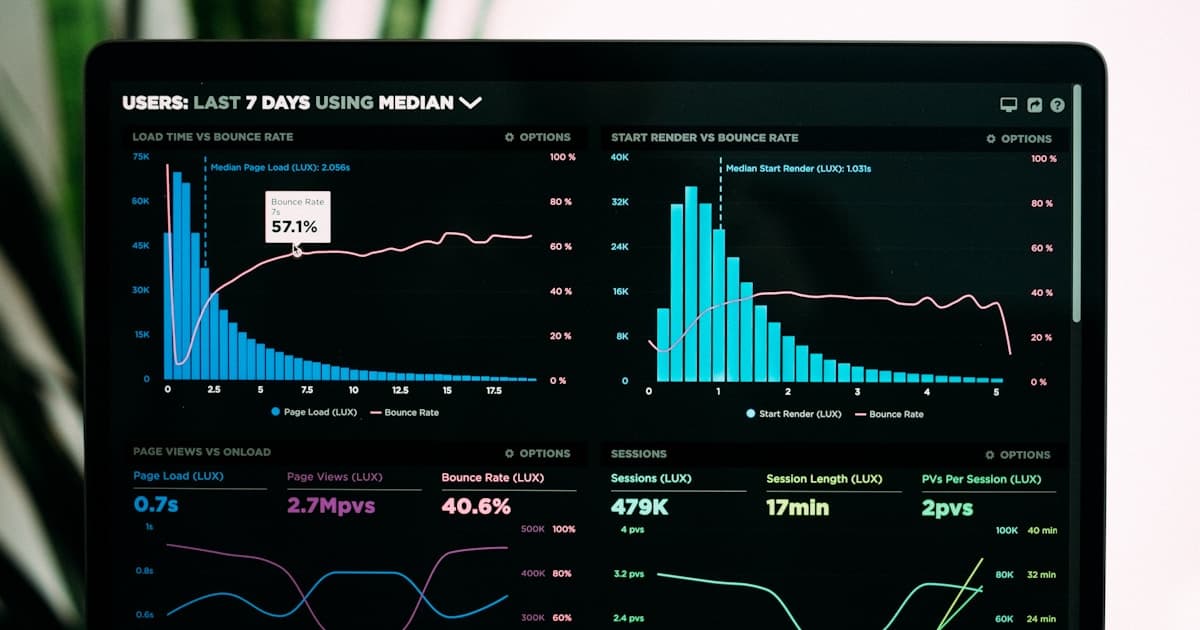
In 2026, forward-thinking hospitals are using analytics for predicting patient admission volumes to optimise staffing, identifying patients at high risk of readmission for proactive intervention, forecasting drug and supply demand to prevent stockouts and reduce wastage, and analysing referral patterns to strengthen physician networks.
A dedicated healthcare analytics platform that integrates with your hospital management system enables these advanced analytics capabilities without requiring a separate data science team.
Trend Nine: Rural Digital Health Gets Serious Investment
India's rural healthcare digital divide is narrowing, driven by several factors:
Government investment: The Ayushman Bharat Health and Wellness Centres (AB-HWC) programme is equipping 150,000 sub-centres and primary health centres with digital health tools. Many are now connected to the ABDM ecosystem.
Improved connectivity: 4G and 5G coverage expansion in rural areas is making cloud-based healthcare software viable in previously unconnected regions across Uttar Pradesh, Bihar, Madhya Pradesh, and Rajasthan.
Affordable hardware: The cost of smartphones and tablets has dropped to levels where even small rural clinics can afford digital devices for healthcare delivery.
Community health worker (CHW) digitisation: ASHA workers and ANMs are using smartphone applications for patient registration, health screening, and data collection, creating a digital health data layer at the community level.
Trend Ten: Consolidation Creates Integrated Health Tech Platforms
The Indian health tech landscape is consolidating from hundreds of point solutions into integrated platforms:
Hospital management + pharmacy + lab: Vendors like GoMeds AI offer unified platforms where hospital, pharmacy, and laboratory modules share a common patient database and provide seamless workflows.
Telemedicine + EMR + billing: What were once separate products are now integrated modules within comprehensive clinic management solutions.
Supply chain + analytics + marketplace: Pharmaceutical supply chain, inventory analytics, and procurement marketplace functions are merging into unified platforms.
This consolidation benefits healthcare providers by reducing integration complexity, lowering total cost of ownership, and providing unified analytics across all operational areas.
What These Trends Mean for Indian Healthcare Providers
Immediate Action Items
- Ensure your healthcare software is ABDM-compliant or has a clear roadmap to compliance
- Implement basic cybersecurity measures including encryption, access controls, and staff training
- If you have not moved to cloud-based software, evaluate the transition now
- Start collecting structured digital data -- it is the foundation for all advanced analytics
Medium-Term Strategic Priorities
- Invest in patient engagement tools (portal, WhatsApp integration, online scheduling)
- Explore AI-powered capabilities within your existing software or through add-on solutions
- Build hybrid care delivery models that blend in-person and telemedicine consultations
- Develop a data strategy that enables analytics-driven decision making
Request a free demo to learn how GoMeds AI can help your healthcare facility stay ahead of these digital health trends.
Related Resources
Explore our detailed analysis of AI in healthcare software India and discover what the future of AI healthcare software in India looks like for providers and patients.
Frequently Asked Questions
How much should Indian hospitals budget for digital health initiatives in 2026?
Healthcare providers should allocate three to five percent of annual revenue for digital health investments. For a 100-bed hospital with annual revenue of INR 6 crore, this translates to INR 18-30 lakh per year covering software subscriptions, hardware upgrades, cybersecurity tools, training, and change management. Hospitals that underinvest in digital health risk losing competitive advantage and regulatory compliance, while those that overinvest without clear strategy waste resources on technology they do not fully utilise.
Is India's ABDM more advanced than digital health systems in other developing countries?
India's ABDM is among the most ambitious national digital health programmes globally, comparable in scope to efforts in countries like Estonia, South Korea, and Singapore. Its unique strength is the scale -- designing a system for 140 crore people with diverse healthcare infrastructure is unprecedented. However, in terms of actual data exchange volumes and interoperability maturity, countries like Estonia and Israel are ahead. India's advantage is the strong government commitment, the existing UPI-like digital infrastructure, and the rapid adoption of ABHA health IDs.
Which Indian states are leading in digital health adoption?
Karnataka, Kerala, Tamil Nadu, and Maharashtra are the leading states in digital health adoption, driven by a combination of strong healthcare infrastructure, tech industry presence, progressive state policies, and higher digital literacy. Karnataka benefits from Bengaluru's health tech ecosystem. Kerala's strong primary health network has enabled rapid digital health rollout. Tamil Nadu's government has invested significantly in e-health initiatives. Among emerging states, Andhra Pradesh, Telangana, and Gujarat are making significant progress.
How will AI change healthcare delivery in India over the next three years?
AI will transform Indian healthcare through three primary pathways over the next three years. First, diagnostic accuracy will improve as AI-powered imaging analysis, pathology screening, and clinical decision support become standard in mid-size and large hospitals. Second, operational efficiency will increase through AI-driven scheduling, resource allocation, and supply chain optimisation. Third, patient access will expand through AI-enabled triaging that routes patients to appropriate care levels and AI-powered chatbots that handle routine health queries. The transformation will be gradual and focused on augmenting rather than replacing clinicians.
What role do health tech startups play in India's digital health ecosystem?
Health tech startups are the primary innovation engine in India's digital health ecosystem. While large IT companies bring enterprise-grade reliability, startups drive innovation in telemedicine platforms, AI diagnostics, patient engagement tools, wearable device integration, and community health solutions. India has over 8,000 health tech startups as of 2026, though the sector is consolidating with many early-stage companies being acquired or shutting down. The surviving startups are those that have found product-market fit, achieved revenue sustainability, and demonstrated clear value to healthcare providers or patients.
Tags
Written by GoMeds AI Team
Published on 20 March 2026